
Butter Cake – Few desserts are as timeless, comforting, and universally adored as a classic butter cake. Known for its delicate crumb, golden color, and rich, buttery aroma, this cake has been a cherished favorite for generations. Unlike elaborate cakes layered with frostings and fillings, a butter cake stands out for its simplicity and elegance.
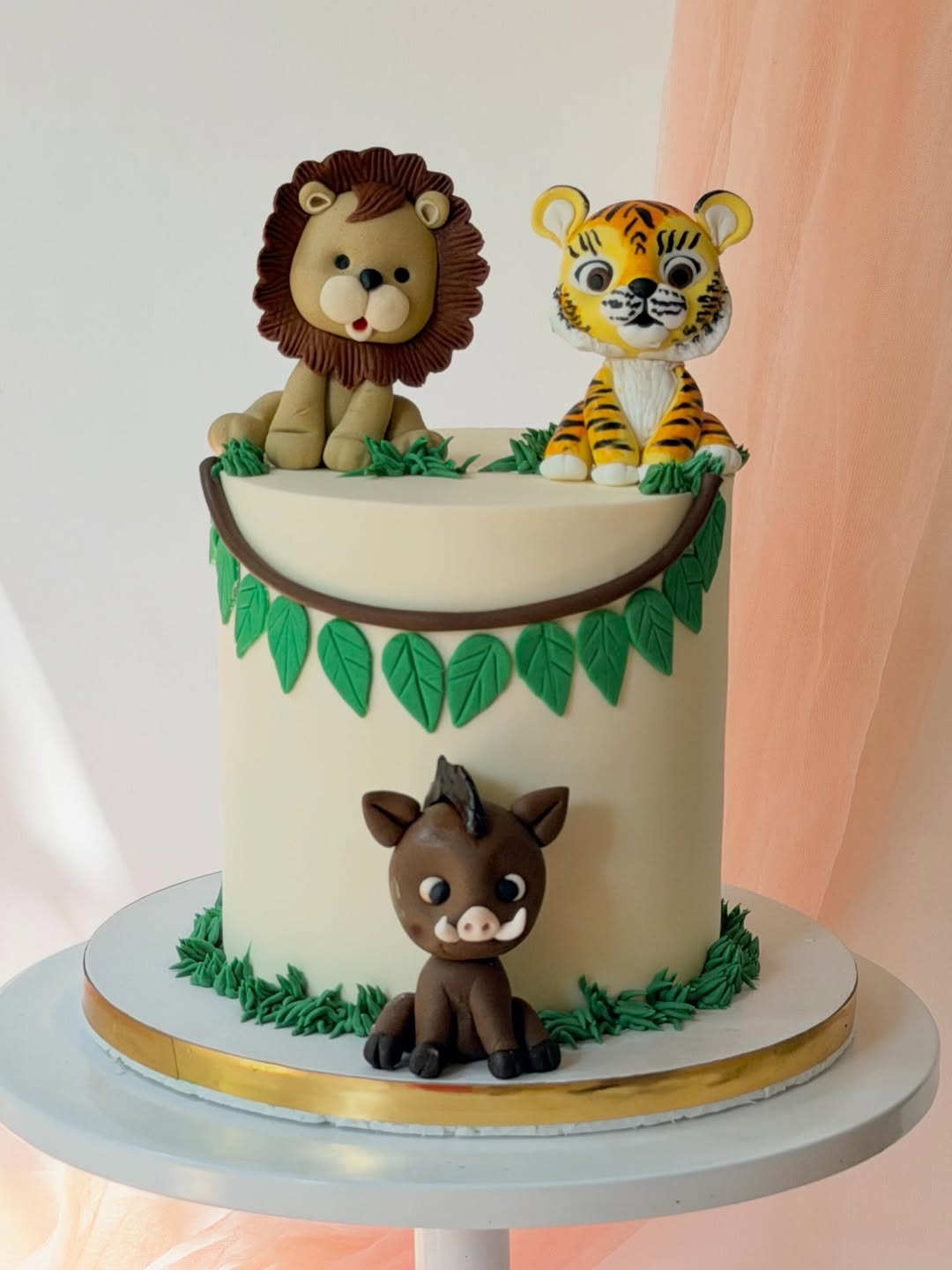
It is the kind of dessert that feels just right at any moment—whether enjoyed with a warm cup of tea, served as a birthday treat, or topped with fresh fruit for a refreshing twist.
Recipe Overview
-
Cuisine: American / European
-
Course: Dessert
-
Servings: 10–12
-
Calories per serving: Approx. 395
-
Prep Time: 20 minutes
-
Active Time: 25 minutes
-
Resting/Cooling Time: 1 hour
Equipment Needed
-
Stand mixer or hand mixer
-
Mixing bowls (large, medium, small)
-
Whisk
-
Rubber spatula
-
Measuring cups and spoons
-
Sifter
-
Baking pan (8-inch or 9-inch round or square)
-
Parchment paper
-
Wire cooling rack
-
Cake tester or toothpick
Ingredients
For the Cake:
-
1 cup (225 g) unsalted butter, softened
-
1 ½ cups granulated sugar
-
4 large eggs, room temperature
-
2 ½ cups all-purpose flour
-
2 teaspoons baking powder
-
¼ teaspoon baking soda
-
½ teaspoon salt
-
1 cup whole milk (or buttermilk for extra richness)
-
1 tablespoon vanilla extract
Instructions
1. Prepare the Baking Pan
Grease an 8-inch or 9-inch cake pan generously with butter or nonstick spray.
Line the bottom with parchment paper for easy removal.
Lightly dust the sides with flour.
This prevents sticking and helps the cake rise evenly.
2. Combine Dry Ingredients
In a medium bowl, sift together:
-
Flour
-
Baking powder
-
Baking soda
-
Salt
Sifting ensures the batter is smooth and helps the cake achieve a light texture.
3. Cream the Butter and Sugar
In a large bowl or stand mixer, beat together:
-
Softened butter
-
Granulated sugar
Mix for 4–5 minutes on medium speed until the mixture becomes pale, creamy, and fluffy. This step is crucial—proper creaming introduces air into the batter, resulting in a soft, well-risen cake.
4. Add Eggs One at a Time
Add the eggs individually, mixing well after each addition.
This allows the batter to emulsify properly and prevents curdling.
Add the vanilla extract and mix again.
5. Incorporate Dry Ingredients and Milk
With the mixer on low speed, alternate between adding the dry ingredients and the milk:
-
Start with ⅓ of the dry mixture
-
Add half the milk
-
Add another ⅓ of the dry mixture
-
Add the remaining milk
-
Finish with the last portion of dry mixture
Mix only until just combined. Avoid overmixing to prevent a dense cake.
6. Transfer Batter to Pan
Pour the batter into the prepared cake pan.
Tap the pan lightly on the counter to release air bubbles.
Smooth the top with a spatula to ensure even baking.
7. Bake the Cake
Bake in a preheated oven at 350°F (175°C) for 25–35 minutes, depending on the size of your pan.
The cake is done when:
-
A toothpick inserted into the center comes out clean
-
The top is golden
-
The edges gently pull away from the pan
Let the cake cool in the pan for 10 minutes, then transfer it to a wire rack to cool completely.
8. Cool and Serve
Allow the cake to rest for at least 1 hour before slicing. This helps the crumb set and makes slicing easier.
Once cooled, you may:
-
Dust it with powdered sugar
-
Add fresh fruit and whipped cream
-
Frost it with chocolate or vanilla buttercream
-
Serve it plain alongside tea or coffee
Nutrition (Per Serving)
| Nutrient | Amount |
|---|---|
| Calories | 395 |
| Total Fat | 20 g |
| Saturated Fat | 12 g |
| Carbohydrates | 47 g |
| Sugars | 30 g |
| Protein | 5 g |
| Fiber | 1 g |
| Sodium | 240 mg |
Tips for a Perfect Butter Cake
Use room-temperature ingredients
This ensures smooth mixing and even baking.
Measure flour accurately
Spoon and level—never scoop directly from the bag—as too much flour causes dryness.
Don’t overmix
Stopping when the batter is just combined prevents toughness.
Use good-quality butter
The flavor largely depends on the butter, so choose a rich, creamy brand.
Avoid opening the oven early
Sudden temperature drops can cause the cake to sink.
Try buttermilk instead of milk
It produces an even softer and more tender crumb..
Conclusion
A golden, soft, and velvety butter cake is the kind of dessert that never goes out of style. Its simplicity is its strength—each bite is rich yet light, sweet but not overwhelming, and wonderfully comforting. Whether served plain, decorated with fresh fruit, or elevated with frosting, this cake stands as a testament to the beauty of basic ingredients crafted with care.
